
Discover the Top VPN Services of 2026
Explore the Best VPNs and Guides for Safe Internet Use
Explore comprehensive reviews and tutorials to find the best VPN services tailored for your privacy needs in 2026.
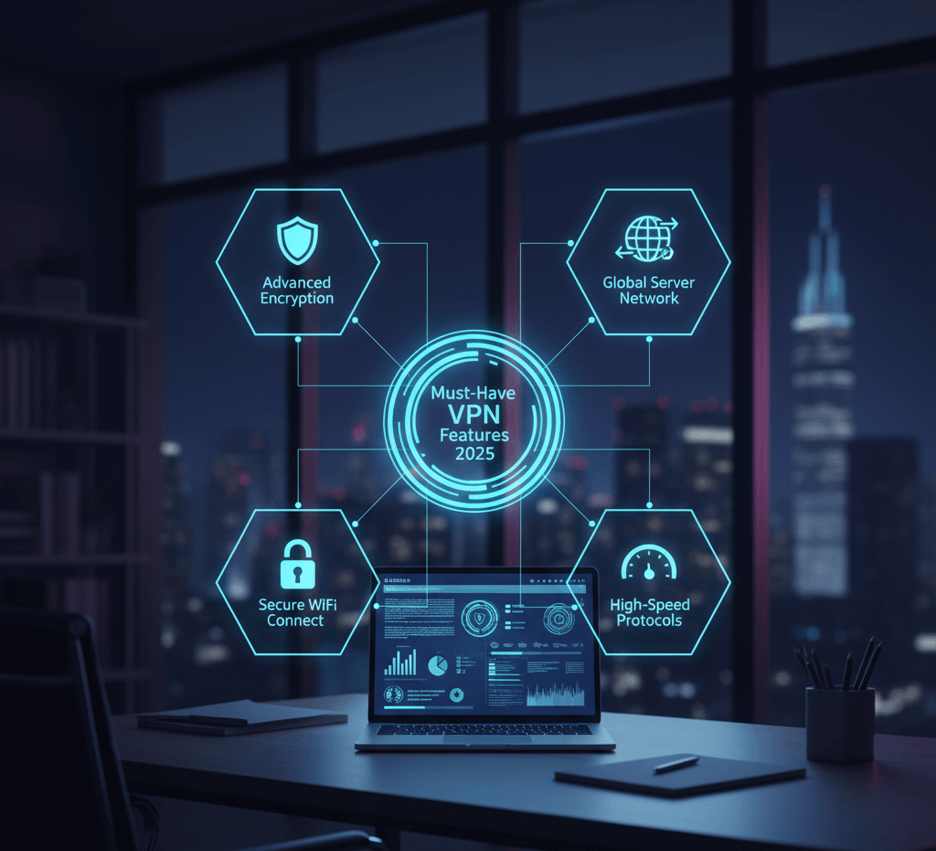
The Evolution of VPNs: Essential Tools for Privacy
In today’s digital landscape, VPNs have become indispensable for safeguarding personal data. Originally designed for corporate use, VPNs now empower individuals to maintain privacy amidst increasing cyber threats and surveillance.
As online privacy concerns grow, VPNs offer a crucial layer of protection, encrypting data and ensuring secure internet access. Their evolution reflects the rising demand for digital security in our interconnected world.
VPN ULTIMATUM 2026
The Definitive Masterclass on Privacy, Quantum-Resilience, and Digital Sovereignty.
1. The State of the Web in 2026
In 2026, the internet is no longer a shared global commons. It has evolved into a hyper-fragmented landscape of "Digital Borderlands." Governments and corporations now use AI-driven predictive analytics to monitor users in real-time. A VPN is no longer a luxury for the paranoid; it is the fundamental tool for maintaining your status as a "Private Citizen" rather than a "Data Product."
The Era of Predictive Surveillance
Modern ISPs in 2026 don't just see *where* you go; they use machine learning to analyze the timing and size of your data packets to predict your behavior. This "Metadata Fingerprinting" can identify your mood, health status, and political leanings even if your traffic is encrypted. 2026 VPNs counter this with Packet Obfuscation, injecting "noise" into your data stream to confuse these AI monitors.
2. Technical Architecture & Quantum Defense
Traditional encryption is facing its greatest threat: the functional quantum computer. While full-scale cracking isn't common yet, the "Harvest Now, Decrypt Later" strategy is being used by state actors to stockpile encrypted data today.
The Post-Quantum Tunnel
The 2026 standard for a "Good VPN" is a hybrid encryption stack. It combines the speed of WireGuard with the security of ML-KEM (Kyber). This ensures that even if a quantum computer eventually breaks RSA or ECC, the lattice-based layer remains impenetrable. Furthermore, Perfect Forward Secrecy (PFS) now rotates keys every 60 seconds, meaning even a compromised key only exposes 1 minute of data.
3. Verification: The End of "Trust Me"
In the past, VPNs asked you to "trust" their no-logs claims. In 2026, we demand Verifiable Infrastructure.
RAM-Only Server Fleets
Leading providers like NordVPN, Surfshark, and Proton have moved to 100% diskless server clusters. * No Persistence: Since the OS runs entirely in RAM, a server seizure results in zero data recovery. * Warrant Canaries: Companies maintain real-time dashboards showing exactly how many legal requests they have received and their inability to comply due to technical architecture.
4. Streaming, Gaming, and 10Gbps Performance
The "VPN Speed Tax" has been abolished. In 2026, 10Gbps infrastructure is the baseline. Users can stream 8K VR content or engage in competitive low-latency gaming without ever turning their VPN off.
| Use Case | 2026 Requirement | VPN Feature |
|---|---|---|
| 8K/VR Streaming | 500 Mbps+ | 10Gbps Server Ports |
| Cloud Gaming | < 20ms Latency | SD-WAN Routing |
| IoT Privacy | Zero Latency | VPN-on-Router (Wi-Fi 7) |
5. The Rise of dVPNs (Decentralized VPNs)
For the ultimate privacy advocate, the Decentralized VPN (dVPN) has matured into a viable alternative to commercial providers. Powered by blockchain technology, a dVPN has no central office, no CEO, and no central server to subpoena.
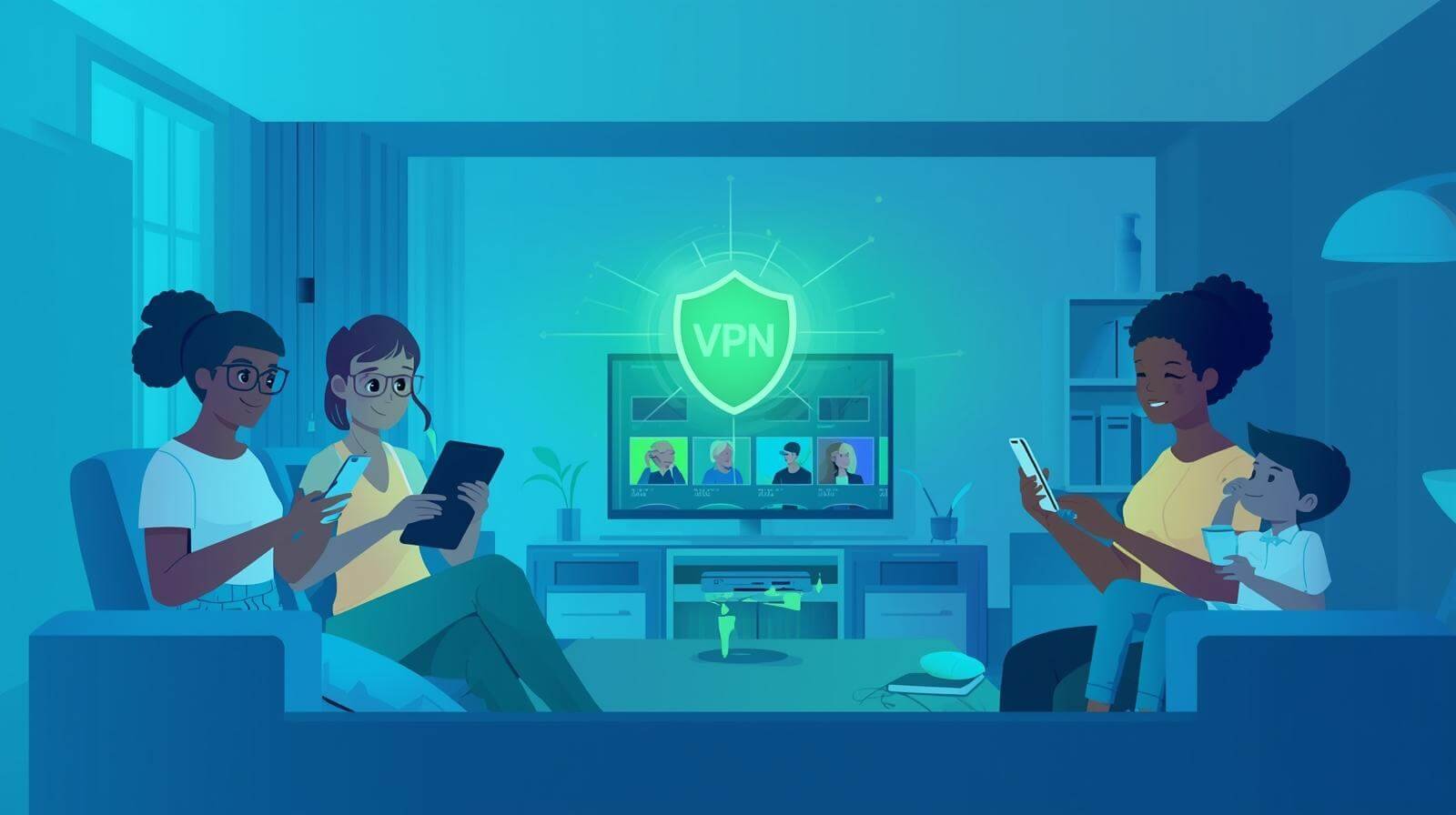
By routing through a global mesh of user-contributed nodes, dVPNs make censorship nearly impossible. However, they require users to be mindful of node quality and potential "exit node" monitoring—making them a tool for those with higher technical literacy.
6. Jurisdictional Geopolitics
Where a company is registered is its "Legal Shield." In 2026, the expansion of the **14-Eyes Alliance** makes jurisdiction more complex than ever.
- Switzerland: Still the gold standard for neutral privacy laws.
- Panama & BVI: Remain strong due to lack of mandatory data retention.
- EU/UK/USA: Heavily regulated; VPNs here must rely on "Zero-Knowledge" architecture to protect users from government overreach.
7. Executive Summary: The 2026 Checklist
Before subscribing to any service this year, ensure they check every box below:
The future of freedom is encrypted. Do not settle for less than total sovereignty.