
6 Things Parents Can Do Right Now to Protect Their Kid's Digital Footprint in 2026
From the moment a child is born, their digital footprint begins — often before they even touch a device. Here's how to protect them with privacy-first tools and practical steps.

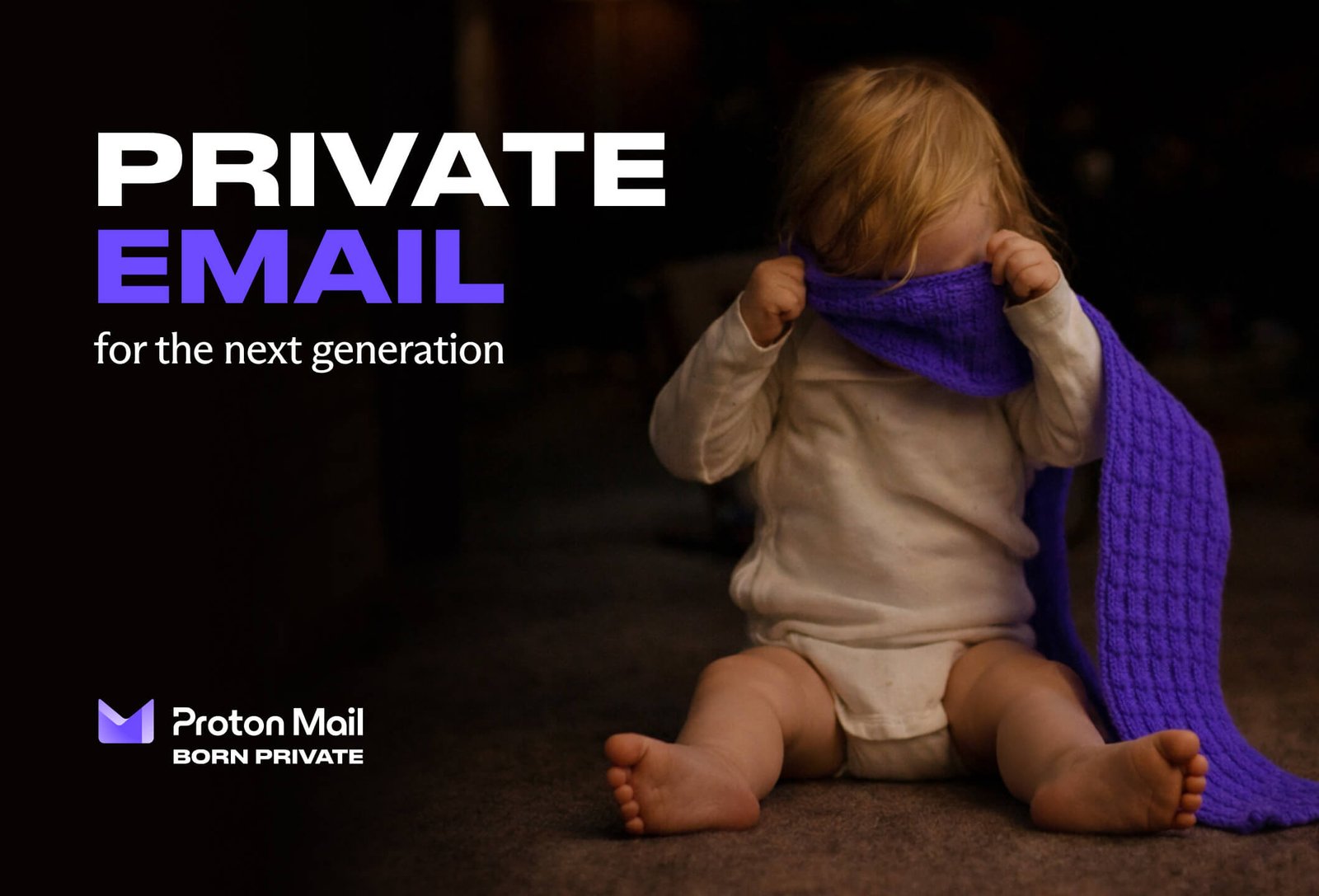
Proton's "Born Private" Campaign – Reserve Privacy from Day One
Proton’s Born Private initiative lets parents create a private Proton Mail address for their child that is kept sealed and inactive for up to 15 years. This means no data is collected or sold until the child is ready — a powerful way to push back against Big Tech’s default data collection from birth. In 2026, when AI models are trained on billions of personal photos and posts, starting privacy early is one of the most important decisions a parent can make. Born Private ensures your child’s digital identity remains truly private until they are old enough to manage it themselves.



6 Practical Steps Parents Can Take Right Now
1. Protect Your Own Privacy First
A child’s digital footprint often begins with someone else’s device. A parent’s location tracking, apps with access to contacts, a family photo in a group chat – all of it creates a data trail that includes the child, even before they have a single account. The same is true for everyone in a child’s life: grandparents, caregivers, teachers, friends’ parents. Protecting your child’s privacy means protecting your own first: audit your app permissions, opt out of ad personalization, and be deliberate about what your devices are generating on your behalf. You can’t secure one without the other. In 2026, with AI models scraping public photos and posts to train deepfake tools, this step has never been more critical.
2. Choose Privacy-First Defaults from the Start
A few concrete swaps can make a huge difference: replace Chrome with Firefox or Brave for kids’ browsing (both block trackers by default); use DuckDuckGo instead of Google Search; iOS and Android each have ways to opt out of ad personalization. For younger kids, Amazon Kids and Apple Screen Time both allow parents to restrict app permissions. The broader principle is to treat privacy settings as something you configure once at device setup, not something you return to after the fact. These small changes reduce the amount of data collected about your child from the very beginning of their digital life.
3. Think Twice Before You Post
Parents are often the biggest source of their child’s digital footprint before the kid ever touches a device, and the consequences are more than theoretical. According to the U.S. Federal Trade Commission, child identity theft surged 40% between 2021 and 2024; and research from Javelin Strategy & Research found that half of all child identity theft victims are nine years old or younger. The personal details parents casually post become raw material for fraudsters long before a child is old enough to know their identity has been compromised. Every photo, video, and piece of personal information posted about a child online is potential training data for AI models – and unlike a social media post that can be deleted, data that’s already been scraped into a training dataset is effectively permanent.
4. Audit What’s Already Out There
Google’s “Results about you” tool lets users find and request removal of personal information appearing in search results – phone numbers, addresses, and similar data. Third-party services like DeleteMe, Kanary, and Optery go further, scanning data broker databases that aggregate and sell personal records, and submitting removal requests on your behalf on a rolling basis. For children, this matters most for any accounts, school directories, or sports rosters that may have been published online with their name and location attached. In 2026, with AI models trained on billions of scraped images and posts, cleaning up existing data trails is an essential step in protecting your child’s future digital identity.
5. Request Your Child’s Data and Opt Out
Most major platforms have data deletion and opt-out tools parents can use on behalf of minors under COPPA, but the process is intentionally obscure. Google lets parents request deletion of a child’s data through Family Link; Meta has a “Remove Personal Information” tool accessible through its Privacy Center; TikTok allows parents to request account deletion for users under 13 via its Guardian’s Portal. The problem is that none of these are surfaced proactively – parents have to know to look. And for kids over 13, the protections largely disappear, even though the data collection doesn’t. Taking these steps early can significantly reduce the amount of personal data permanently stored about your child.
6. Limit What AI Can Learn About Your Child
Researchers from Google, DeepMind, and UC Berkeley demonstrated in 2023 that AI image models can memorize and reproduce photos of real individuals from their training data – a finding published in MIT Technology Review. Every photo, video, and piece of personal information posted about a child online is potential training data for AI models – and unlike a social media post that can be deleted, data that’s already been scraped into a training dataset is effectively permanent. For children, this creates a risk that didn’t exist a decade ago: a digital footprint built in childhood could contribute to an AI-generated likeness of them as an adult without their knowledge or consent. The FTC has flagged this as an emerging area of concern, and the Kids Internet and Digital Safety Act advancing in Congress includes disclosure requirements for AI chatbots, but nothing yet addresses the training data problem directly. In the meantime, the most practical advice is simple: limit the volume of identifiable photos and videos posted publicly, and audit older posts that may have accumulated over the years.
How Proton VPN’s NetShield Makes Protection Easier
Proton’s recent NetShield improvements make it one of the strongest network-level ad, tracker, and malware blockers in 2026. It works system-wide — protecting every app, browser, and device — without needing extra extensions. Combined with Proton VPN’s audited no-logs policy and end-to-end encryption, it gives parents a complete privacy-first solution for the whole family. In 2026, when children spend more time on apps and smart devices than ever before, having a network-level blocker is essential for reducing exposure to trackers, phishing attempts, and inappropriate content.
NetShield blocks ads, trackers, malware domains, and crypto-miners at the DNS level, meaning it protects the entire household connection. This is especially valuable for parents who want to reduce screen-time risks without installing multiple apps or relying on browser-only tools that don’t cover TikTok, YouTube Kids, or gaming consoles.
Start Protecting Your Child’s Digital Future Today
Proton VPN + NetShield gives you powerful ad blocking, malware protection, and end-to-end encryption — all in one privacy-first tool.
Get Proton VPN + NetShield – 70% Off Now30-day money-back guarantee • No risk • Protect your family’s privacy from day one
Affiliate Disclosure: We may earn a commission from qualifying purchases via links — at no extra cost to you.